
The Top 10 Benefits of a Standing Desk
Spending hours glued to your chair? Discover the top 10 benefits of a standing desk, from improving posture and reducing pain to boosting energy and focus. Learn how ergonomics matters...
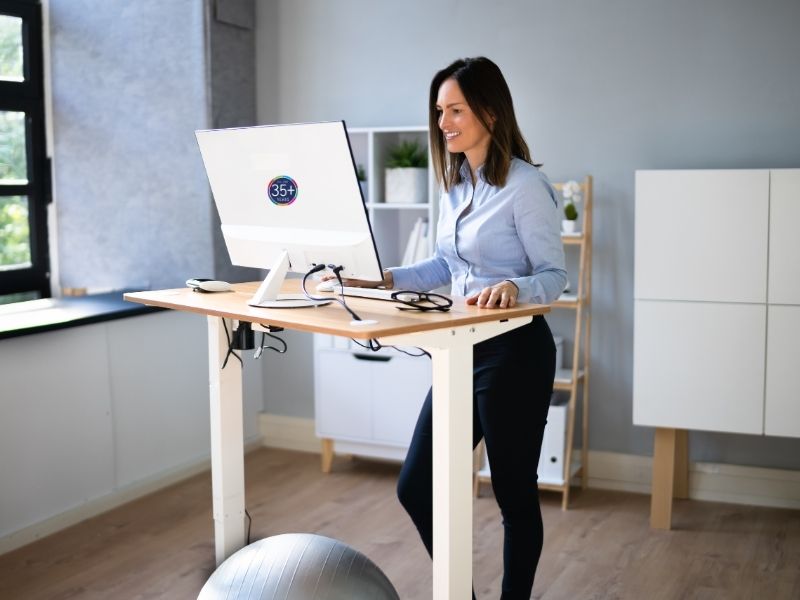
If you've been spending the better part of your workday glued to your chair, you're not alone. Most of us clock in anywhere from 6 to 10 hours of sitting daily, and our bodies are starting to notice. The good news? A standing desk could be one of the simplest, most effective changes you make to your workspace this year.
Let's break down the top 10 benefits of a standing desk and why getting ergonomics right matters more than you might think.
?Why Ergonomics Actually Matters
Ergonomics is discussed more broadly now than before the pandemic; it's the science of designing your workspace to fit you, reduce strain, prevent injury, and help you be more comfortable. A poorly set-up desk can lead to chronic back pain, neck stiffness, repetitive strain injuries, and even long-term cardiovascular issues.
A height-adjustable standing desk breaks the pattern and puts you in control of your environment. And that's a game changer for your posture and long-term health.
❓The Top 10 Benefits of a Standing Desk
1. Encourages Better Posture
A properly set standing desk naturally encourages better posture by keeping your spine straight and your shoulders relaxed. Pair that with a monitor at eye level, and you've got a setup that actively works against the dreaded tech neck.
2. Reduces Back and Neck Pain
Prolonged sitting compresses the spine and tightens hip flexors. Alternating between sitting and standing throughout the day takes the pressure off your lower back by distributing your body weight more evenly, which encourages better spinal alignment.
3. Boosts Energy and Reduces Fatigue
Counterintuitively, standing more actually gives you more energy. Improved circulation means better oxygen flow to your brain — helping you stay alert and focused through those long afternoon slumps.
4. Improves Focus and Productivity
Studies have found that workers using sit-stand desks report improved concentration and task performance. How? Because when you're not distracted by discomfort, it's easier to be productive.
5. Supports Cardiovascular Health
Extended sitting causes limited blood flow and has been linked to increased risk of heart disease. Standing more frequently during the day helps keep your heart rate slightly elevated, contributing to better overall cardiovascular health over time.
6. Burns More Calories
Standing burns roughly 50 more calories per hour than sitting. That might not sound like much, but for someone working 8 hours a day, that small change is going to make a difference in energy levels and wellness without changing a thing about your diet or exercise routine.
7. Reduces the Risk of Chronic Disease
Research consistently links excessive sedentary behaviour to an increased risk of type 2 diabetes, obesity, and metabolic syndrome. Breaking up your sitting time is a practical, low-effort step toward reducing these risks.
8. Elevates Mood and Reduces Stress
Movement and posture are closely tied to mood. Standing desk users frequently report feeling less stressed and more positive throughout the workday — a simple but meaningful quality-of-life win.
9. Increases Collaboration
Standing desks create a more open, approachable workspace. Whether it's a quick over-the-shoulder chat or a huddle meeting, being at standing height makes impromptu collaboration feel more natural.
10. Extends Long-Term Health and Longevity
Perhaps the most compelling benefit of using a standing desk is that reducing your daily sitting time has been associated with longer life expectancy. It's one of the easiest lifestyle adjustments you can make with some of the biggest long-term payoffs.
Finding the Right Standing Desk for You
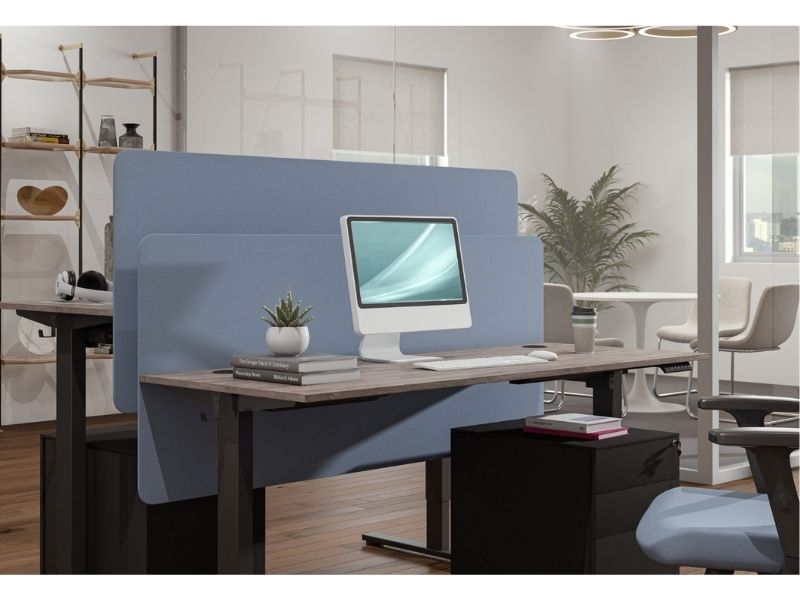
Not all standing desks are created equal. The right choice depends on your workspace, how you work, and the features that matter most to you. The R range offers a comprehensive lineup of height-adjustable desks designed to suit a variety of needs — from home offices to busy office environments.
Here's a breakdown of the key models in the R Standing Desk Comparison Guide:
| Feature | R600 | R750 | R800 | R802X Dual sit-stand-desk | R807 90-degree sit-stand desk | R810 |
|---|---|---|---|---|---|---|
| Height Range |
71 -121cm |
71.5 – 116cm | 62 - 127cm | 580 - 1230mm | 580-1230mm | 70 – 119cm |
| Leg Configuration | 2-Leg | 2-Leg | 2-Leg | 4-Leg | 2-Leg | 2-Leg |
| Motor Type | Single Motor | Single Motor | Dual Motor | Dual Motor | Dual Motor | Dual Motor |
| Lift Capacity | 60kg | 80kg | 100kg | 125kg | 125kg | 100kg |
| Memory Presets | 2 button | Yes | 3 | 3 | 4 | 4 |
| Anti-Collision | ❌ | ✅ | ✅ | ✅ | ✅ | ✅ |
| Display Panel | Basic | Basic | Digital | Digital | Digital | Digital |
| Colour Options | 3 frames / 9 finishes | 3 frames / 9 finishes | 3 frames / 9 finishes | 3 frames / 9 finishes | 3 frames / 9 finishes | 3 frames / 9 finishes |
| Warranty | 5 yr frame / 3 yr motor | 5 yr frame / 3 yr motor | 5 yr frame / 3 yr motor | 5 yr frame / 3 yr motor | 5 yr frame / 3 yr motor | 5 yr frame / 3 yr motor |
| Best For | Budget & home | Home & business | Professional workspaces | Professional workspaces | Feature-rich professional | Premium professional |
Pro Tip: If you're just starting out, or for a home office the R600 is a good entry point. For those wanting more features the R750 is great, and for a dual motor, the 800 models are worth the investment.
❓How To Make the Most of Your Standing Desk
Getting a standing desk is just step one. Here are a few quick tips to maximise the benefits:
- Start slow — Begin with 20–30 minutes of standing per hour and gradually increase over time
- Invest in a good anti-fatigue mat — An ergonomic floor mat can help take pressure off your feet and joints during working hours. It's more comfortable to stand and will help boost circulation.
- Set your monitor at eye level — set your desk so your elbows are bent at a 90-degree angle when using your keyboard. This helps you to keep your neck straight and won't strain your shoulders and wrists.
- Wear comfortable shoes - This may seem obvious, but wearing heels or inappropriate footwear will cause foot pain in the long run.
- Use the sit feature - Alternate between standing and sitting throughout the day to stay comfortable and productive.
Finding the Right Solution
Not every workspace faces the same challenges, which is why there's no one-size-fits-all approach to ergonomics. A standing desk can be a valuable solution for professionals looking to improve posture, reduce sedentary time, and create a more dynamic working environment. When choosing a desk, consider factors such as available space, working style, and adjustment requirements to find a setup that supports your day-to-day needs.
Ready to find your perfect fit? Explore the standing desk range or view our tailored office furniture solutions for your perfect workspace.
If you've been spending the better part of your workday glued to your chair, you're not alone. Most of us clock in anywhere from 6 to 10 hours of sitting daily, and our bodies are starting to notice. The good news? A standing desk could be one of the simplest, most effective changes you make to your workspace this year.
Let's break down the top 10 benefits of a standing desk and why getting ergonomics right matters more than you might think.
?Why Ergonomics Actually Matters
Ergonomics is discussed more broadly now than before the pandemic; it's the science of designing your workspace to fit you, reduce strain, prevent injury, and help you be more comfortable. A poorly set-up desk can lead to chronic back pain, neck stiffness, repetitive strain injuries, and even long-term cardiovascular issues.
A height-adjustable standing desk breaks the pattern and puts you in control of your environment. And that's a game changer for your posture and long-term health.
❓The Top 10 Benefits of a Standing Desk
1. Encourages Better Posture
A properly set standing desk naturally encourages better posture by keeping your spine straight and your shoulders relaxed. Pair that with a monitor at eye level, and you've got a setup that actively works against the dreaded tech neck.
2. Reduces Back and Neck Pain
Prolonged sitting compresses the spine and tightens hip flexors. Alternating between sitting and standing throughout the day takes the pressure off your lower back by distributing your body weight more evenly, which encourages better spinal alignment.
3. Boosts Energy and Reduces Fatigue
Counterintuitively, standing more actually gives you more energy. Improved circulation means better oxygen flow to your brain — helping you stay alert and focused through those long afternoon slumps.
4. Improves Focus and Productivity
Studies have found that workers using sit-stand desks report improved concentration and task performance. How? Because when you're not distracted by discomfort, it's easier to be productive.
5. Supports Cardiovascular Health
Extended sitting causes limited blood flow and has been linked to increased risk of heart disease. Standing more frequently during the day helps keep your heart rate slightly elevated, contributing to better overall cardiovascular health over time.
6. Burns More Calories
Standing burns roughly 50 more calories per hour than sitting. That might not sound like much, but for someone working 8 hours a day, that small change is going to make a difference in energy levels and wellness without changing a thing about your diet or exercise routine.
7. Reduces the Risk of Chronic Disease
Research consistently links excessive sedentary behaviour to an increased risk of type 2 diabetes, obesity, and metabolic syndrome. Breaking up your sitting time is a practical, low-effort step toward reducing these risks.
8. Elevates Mood and Reduces Stress
Movement and posture are closely tied to mood. Standing desk users frequently report feeling less stressed and more positive throughout the workday — a simple but meaningful quality-of-life win.
9. Increases Collaboration
Standing desks create a more open, approachable workspace. Whether it's a quick over-the-shoulder chat or a huddle meeting, being at standing height makes impromptu collaboration feel more natural.
10. Extends Long-Term Health and Longevity
Perhaps the most compelling benefit of using a standing desk is that reducing your daily sitting time has been associated with longer life expectancy. It's one of the easiest lifestyle adjustments you can make with some of the biggest long-term payoffs.
Finding the Right Standing Desk for You
Not all standing desks are created equal. The right choice depends on your workspace, how you work, and the features that matter most to you. The R range offers a comprehensive lineup of height-adjustable desks designed to suit a variety of needs — from home offices to busy office environments.
Here's a breakdown of the key models in the R Standing Desk Comparison Guide:
| Feature | R600 | R750 | R800 | R802X Dual sit-stand-desk | R807 90-degree sit-stand desk | R810 |
|---|---|---|---|---|---|---|
| Height Range |
71 -121cm |
71.5 – 116cm | 62 - 127cm | 580 - 1230mm | 580-1230mm | 70 – 119cm |
| Leg Configuration | 2-Leg | 2-Leg | 2-Leg | 4-Leg | 2-Leg | 2-Leg |
| Motor Type | Single Motor | Single Motor | Dual Motor | Dual Motor | Dual Motor | Dual Motor |
| Lift Capacity | 60kg | 80kg | 100kg | 125kg | 125kg | 100kg |
| Memory Presets | 2 button | Yes | 3 | 3 | 4 | 4 |
| Anti-Collision | ❌ | ✅ | ✅ | ✅ | ✅ | ✅ |
| Display Panel | Basic | Basic | Digital | Digital | Digital | Digital |
| Colour Options | 3 frames / 9 finishes | 3 frames / 9 finishes | 3 frames / 9 finishes | 3 frames / 9 finishes | 3 frames / 9 finishes | 3 frames / 9 finishes |
| Warranty | 5 yr frame / 3 yr motor | 5 yr frame / 3 yr motor | 5 yr frame / 3 yr motor | 5 yr frame / 3 yr motor | 5 yr frame / 3 yr motor | 5 yr frame / 3 yr motor |
| Best For | Budget & home | Home & business | Professional workspaces | Professional workspaces | Feature-rich professional | Premium professional |
Pro Tip: If you're just starting out, or for a home office the R600 is a good entry point. For those wanting more features the R750 is great, and for a dual motor, the 800 models are worth the investment.
❓How To Make the Most of Your Standing Desk
Getting a standing desk is just step one. Here are a few quick tips to maximise the benefits:
- Start slow — Begin with 20–30 minutes of standing per hour and gradually increase over time
- Invest in a good anti-fatigue mat — An ergonomic floor mat can help take pressure off your feet and joints during working hours. It's more comfortable to stand and will help boost circulation.
- Set your monitor at eye level — set your desk so your elbows are bent at a 90-degree angle when using your keyboard. This helps you to keep your neck straight and won't strain your shoulders and wrists.
- Wear comfortable shoes - This may seem obvious, but wearing heels or inappropriate footwear will cause foot pain in the long run.
- Use the sit feature - Alternate between standing and sitting throughout the day to stay comfortable and productive.
Finding the Right Solution
Not every workspace faces the same challenges, which is why there's no one-size-fits-all approach to ergonomics. A standing desk can be a valuable solution for professionals looking to improve posture, reduce sedentary time, and create a more dynamic working environment. When choosing a desk, consider factors such as available space, working style, and adjustment requirements to find a setup that supports your day-to-day needs.
Ready to find your perfect fit? Explore the standing desk range or view our tailored office furniture solutions for your perfect workspace.
